 A Positively Moving Experience

Tips for Moving in the Rain
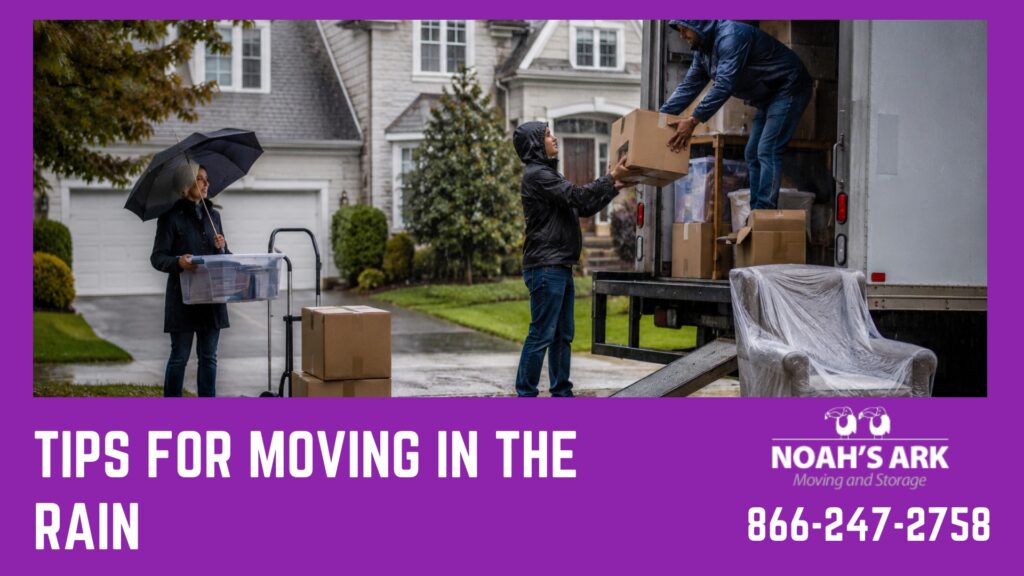
Moving day is stressful enough without bad weather getting involved. Rain can create slippery walkways, damage cardboard boxes, and increase the chances of furniture getting scratched or soaked during transport. A little planning ahead can make the entire process smoother and help protect your belongings from water damage. At Noahs Ark Moving and Towing, our TriState area moving experts help customers handle moves throughout the broader TriState area, to locations everywhere from Newark to Brooklyn and from Stamford to Philadelphia. Whether you are moving from an apartment, office, or large family home, understanding how to prepare for wet weather can save time, money, and frustration.
Prepare Your Home Before Movers Arrive
One of the most important steps during a rainy move is protecting the entry points of your home. Wet shoes can quickly track water and mud onto floors, creating both safety risks and cleanup headaches. Lay down plastic floor coverings, old towels, or temporary runners to keep surfaces dry and reduce slipping hazards. If possible, keep umbrellas, ponchos, and spare towels near the front door for quick access. It also helps to clear pathways outside so movers can safely carry heavy furniture without navigating puddles or slick surfaces.
Wet moving conditions significantly increase the risk of slips and falls. Careful preparation and organized pathways can greatly reduce accidents during loading and unloading. Professional movers also use moving blankets and shrink wrap to create additional moisture barriers around furniture and electronics.
- Protect Floors – Use cardboard, plastic sheeting, or old rugs to keep floors clean and dry during the move.
- Clear Outdoor Paths – Remove leaves, branches, and standing water that may create slippery conditions.
- Keep Towels Nearby – Dry off furniture and boxes immediately if they are exposed to rainwater.
- Use Door Mats – Place heavy-duty mats at entrances to reduce water being tracked indoors.
- Cover Railings and Steps – Wet stairs become dangerous quickly, especially while carrying large items.
- Create a Staging Area – Designate a covered area like a garage or awning for temporarily storing items during loading.
Use Waterproof Packing Materials
Not all packing materials hold up well in rainy weather. Standard cardboard boxes absorb water quickly, weakening their structure and increasing the chance of collapse. Plastic storage bins with locking lids offer much better protection for valuable items, electronics, paperwork, and clothing. Stretch wrap can also help seal furniture and mattresses against moisture exposure. For fragile items, double wrapping with bubble wrap and plastic bags adds another layer of protection.
Packing tape matters more than many people realize during wet conditions. Cheap tape often loses adhesion when exposed to humidity or rain. Heavy-duty packing tape designed for moving applications provides stronger seals and helps prevent boxes from opening unexpectedly. Labeling boxes clearly with waterproof markers also ensures organization remains intact if surfaces get damp.
The American Moving and Storage Association reports that water damage is one of the most common avoidable issues during residential moves. Investing in better packing materials upfront can prevent expensive replacement costs later. Professional-grade supplies often make a major difference in maintaining the condition of your belongings.
- Plastic Bins – Waterproof bins protect important belongings much better than cardboard.
- Mattress Bags – Heavy plastic mattress covers help prevent moisture stains and mildew growth.
- Shrink Wrap – Stretch wrap keeps drawers closed and shields furniture from rain exposure.
- Waterproof Labels – Permanent markers and waterproof labels stay readable during wet conditions.
- Heavy-Duty Tape – Quality packing tape maintains stronger adhesion during humid weather.
- Seal Electronics Carefully – Use anti-static bags and additional plastic wrapping for computers and televisions.
Protect Furniture During Loading and Unloading
Furniture is especially vulnerable during rainy moves because large items often spend extra time exposed outdoors while being maneuvered through doorways and trucks. Wood furniture can warp when exposed to excess moisture, while upholstered items may absorb water and develop odors or mildew. Movers typically use padded blankets along with plastic wrapping to reduce direct exposure to rain. Working quickly and strategically helps minimize the amount of time items remain outside.
Communication between movers and homeowners also becomes more important in bad weather. Having a clear loading order allows the crew to move efficiently and avoid confusion during transport. Prioritizing delicate items first can help prevent unnecessary exposure. If rain becomes severe, it may even be worth temporarily pausing loading operations for safety reasons.
Many professional moving companies schedule additional time buffers during stormy weather because wet conditions naturally slow the process. Rushing can lead to damaged furniture, strained backs, or accidents. Taking a careful and organized approach ultimately saves time and protects property.
- Wrap Wood Furniture – Plastic coverings help prevent moisture absorption and wood warping.
- Protect Upholstery – Fabric furniture should always be covered before leaving the home.
- Disassemble Large Items – Smaller components are easier to maneuver safely during rain.
- Keep Truck Organized – Efficient loading reduces repeated trips through wet conditions.
- Use Furniture Pads – Moving blankets reduce scratches and add another moisture barrier.
- Secure Loose Hardware – Store screws and bolts in sealed plastic bags to avoid losing them in wet weather.
Plan for Weather Delays and Safety
Rainy moving days almost always take longer than expected. Traffic congestion, slower driving speeds, and additional protective steps can add hours to the moving timeline. Building flexibility into your schedule helps reduce stress and allows everyone to work more safely. Check weather forecasts frequently in the days leading up to the move and communicate updates with your moving company. Severe storms may require schedule adjustments for safety purposes.
Hydration and proper footwear are also often overlooked during rainy moves. Waterproof boots with non-slip soles provide much better traction than sneakers or smooth-soled shoes. Keeping extra dry clothes available can also improve comfort throughout the day. Safety should always take priority over speed when dealing with wet conditions.
At Noahs Ark Moving and Towing, we provide moving and towing services throughout the broader TriState area, to locations everywhere from Long Island to northern New Jersey and from Manhattan to Connecticut. Experienced movers understand how to adapt to changing weather while protecting both belongings and property during every stage of the move.
- Check Forecasts Frequently – Weather updates help avoid unexpected delays and safety issues.
- Wear Slip-Resistant Shoes – Proper footwear greatly reduces the risk of falls.
- Allow Extra Time – Rain naturally slows loading, unloading, and driving conditions.
- Keep Emergency Supplies Handy – Flashlights, phone chargers, and dry clothes can help during unexpected delays.
- Communicate With Movers – Clear communication helps coordinate efficient loading plans.
- Stay Flexible – Severe weather sometimes requires rescheduling for safety and property protection.